Quick Answer
Plan power-bank giveaways around the recipients, charging setup, quantity, complete kit and venue receiving deadline. Choose a documented product before approving artwork. Review a sample that matches the proposed handout, including its cable, instructions and packaging. Confirm transport and delivery arrangements with the responsible parties. A promotional deadline does not establish stock, customization availability or guaranteed delivery.
Introduction
Power-bank giveaways can put a useful charging accessory into an attendee’s bag. Their value depends on compatibility and execution, not the printed logo alone. This guide covers audience planning through handover. It does not invent performance, production schedules or campaign results.
1. Define Who Receives The Giveaway
You should define the recipient group and intended charging task before selecting an event power bank. Conference delegates, booth visitors and invited customers may have different needs. Decide whether you are offering a general takeaway or a specifically described charging kit. Do not imply that an untested accessory fits every attendee’s equipment.
Describe the likely device category rather than guessing a universal phone specification. A mixed audience can include different connectors, cases and charging methods. If you do not know the devices, document that uncertainty. Choose the communication and accessory plan accordingly instead of promising universal compatibility.
Separate take-home use from charging demonstrations at the venue. A visitor receiving a packaged gift is different from using a demonstration unit. If you plan demonstrations, define the devices, instructions and responsible staff separately. Do not advertise a shared charging service merely because products will be available at the booth. Keep your campaign description aligned with what your team will actually provide.
2. Calculate Quantity From The Distribution Plan
You should estimate quantity from eligible recipients and the planned handout method, not the venue’s maximum attendance alone. Decide whether everyone receives a kit, selected appointments receive one or staff distribute limited daily allocations. Record the assumptions behind the number so changes remain visible.
For a hypothetical event, you might plan 200 attendee kits, ten staff units and ten replacements. That creates a planning quantity of 220, not a supplier minimum or recommended allowance. Your actual quantities depend on the event and approved budget. Keep the categories separate rather than hiding additional uses inside the attendee estimate.
Ask the supplier to confirm the available order structure for the actual configuration. Do not assume a published product means immediate stock or any order quantity. If different locations or sessions need separate allocations, specify them before packing approval. Record who controls leftover units and how remaining stock will be handled after the event. Avoid opening extra cartons simply because several teams share the same order.
3. Specify The Charging Kit Rather Than The Bank Alone
You should specify the product, included cable and recipient instructions as one proposed kit. A power bank without the needed connection may not serve the intended task. Confirm what is supplied rather than assuming that photographs show included accessories. Distinguish the cable used to refill the bank from the connection needed by the recipient.
For wireless options, check the intended phones and cases separately. Magnetic attachment does not add wireless reception to a phone. Our phone-case compatibility guide explains the broader fit question. A mixed audience requires careful wording, not an unsupported promise that every phone charges wirelessly.
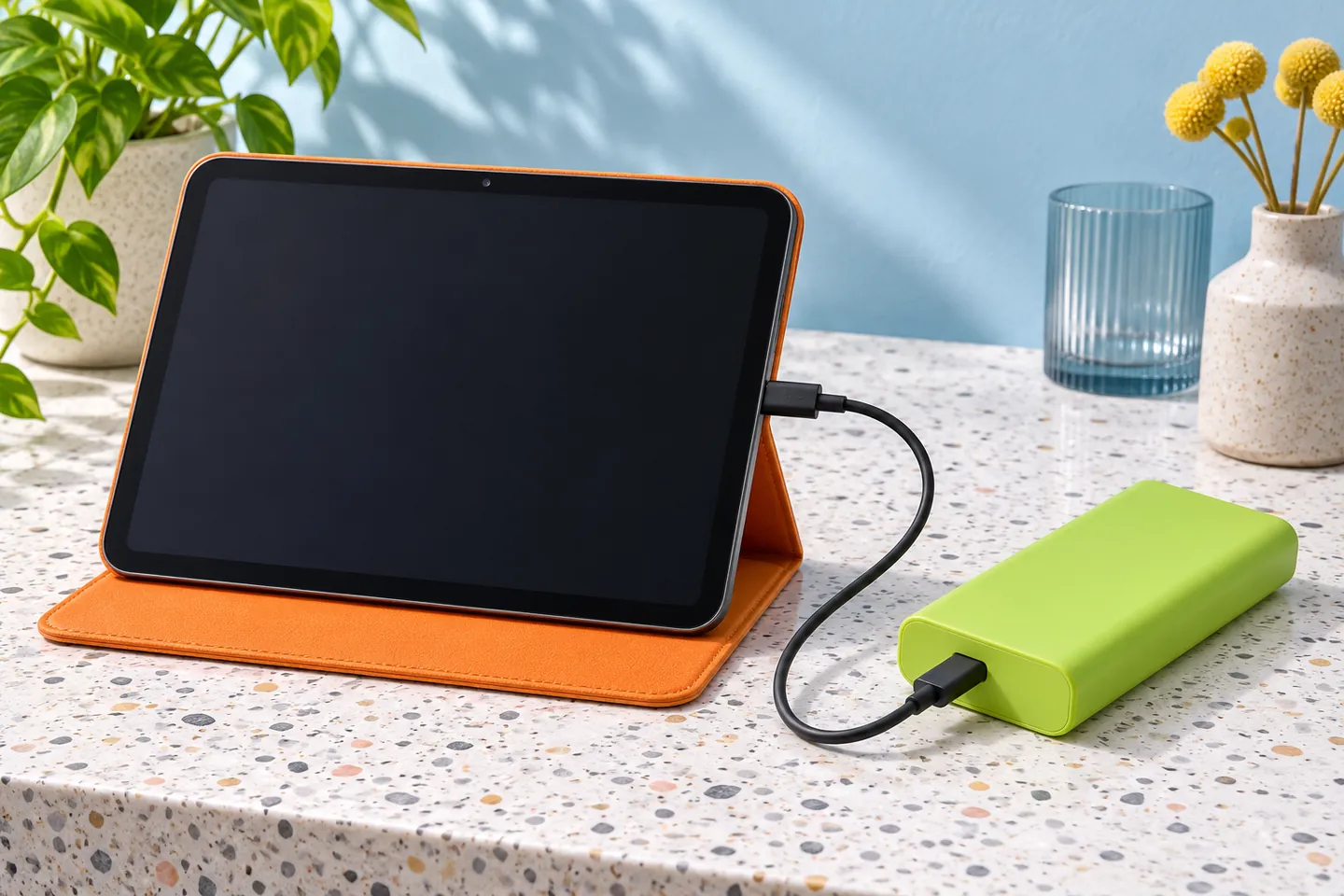
For a wired kit, identify both cable ends and the required capability. Our USB-C cable guide helps you prepare that specification. If an adapter is proposed, ask about the actual supported arrangement. Keep the approved accessory list with the product revision. A cable or phone substitution should trigger a review of the relevant compatibility claim before distribution.
4. Compare Formats Against The Event Task
You should compare formats by recipient use, carrying needs and verified specifications. A smaller unit can suit a compact giveaway, while another task may need different energy or connections. Neither size nor headline wattage proves suitability. The table turns event requirements into questions rather than universal product rankings.
| Event Requirement | Format To Discuss | Decision To Verify |
|---|---|---|
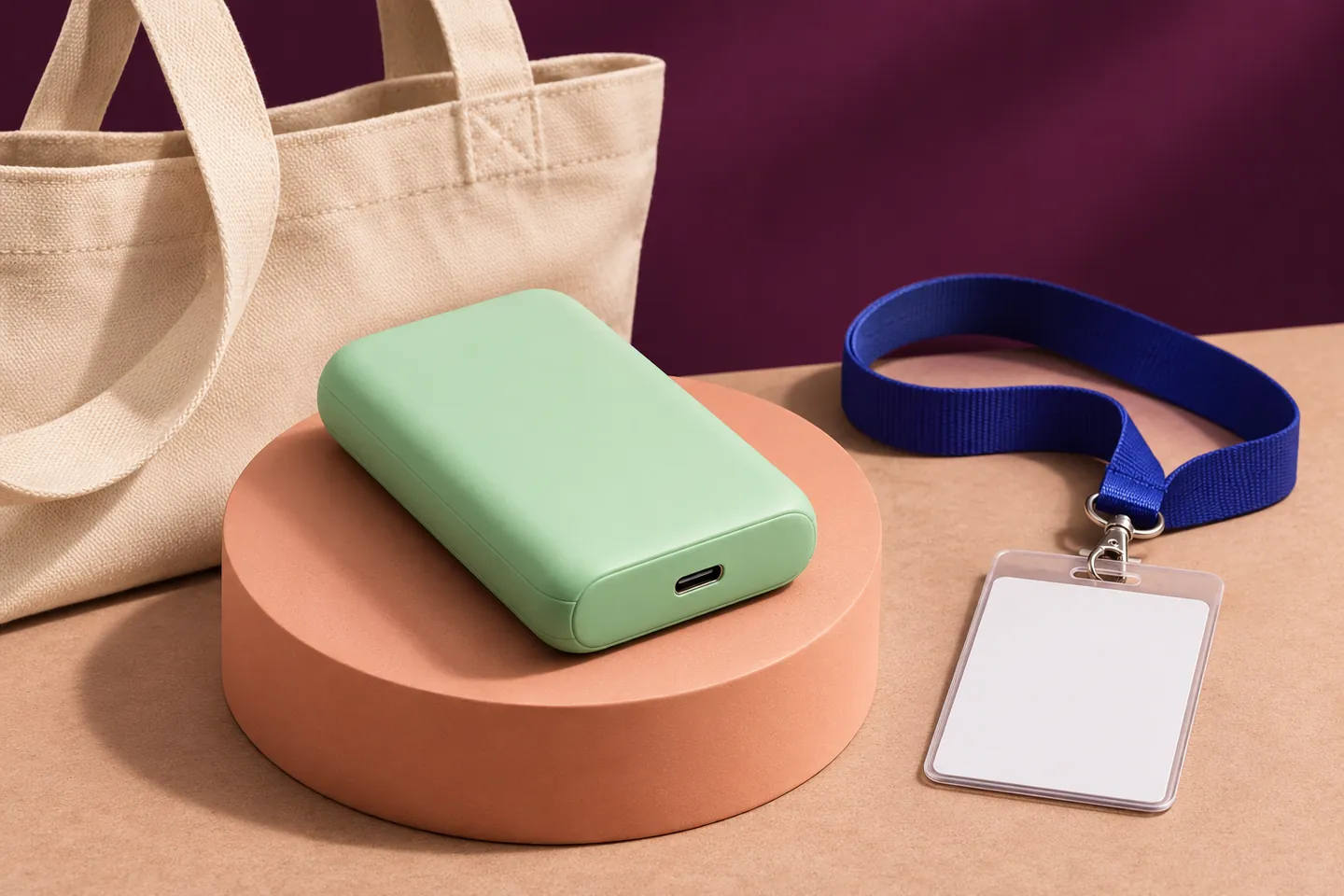
| Compact delegate takeaway | Smaller portable bank | Actual dimensions, weight and useful charging setup |
| Mixed phone audience | Clearly specified wired kit | Supplied connectors and documented compatibility |
| Selected wireless-phone group | Magnetic wireless option | Phone, case, alignment and certification wording |
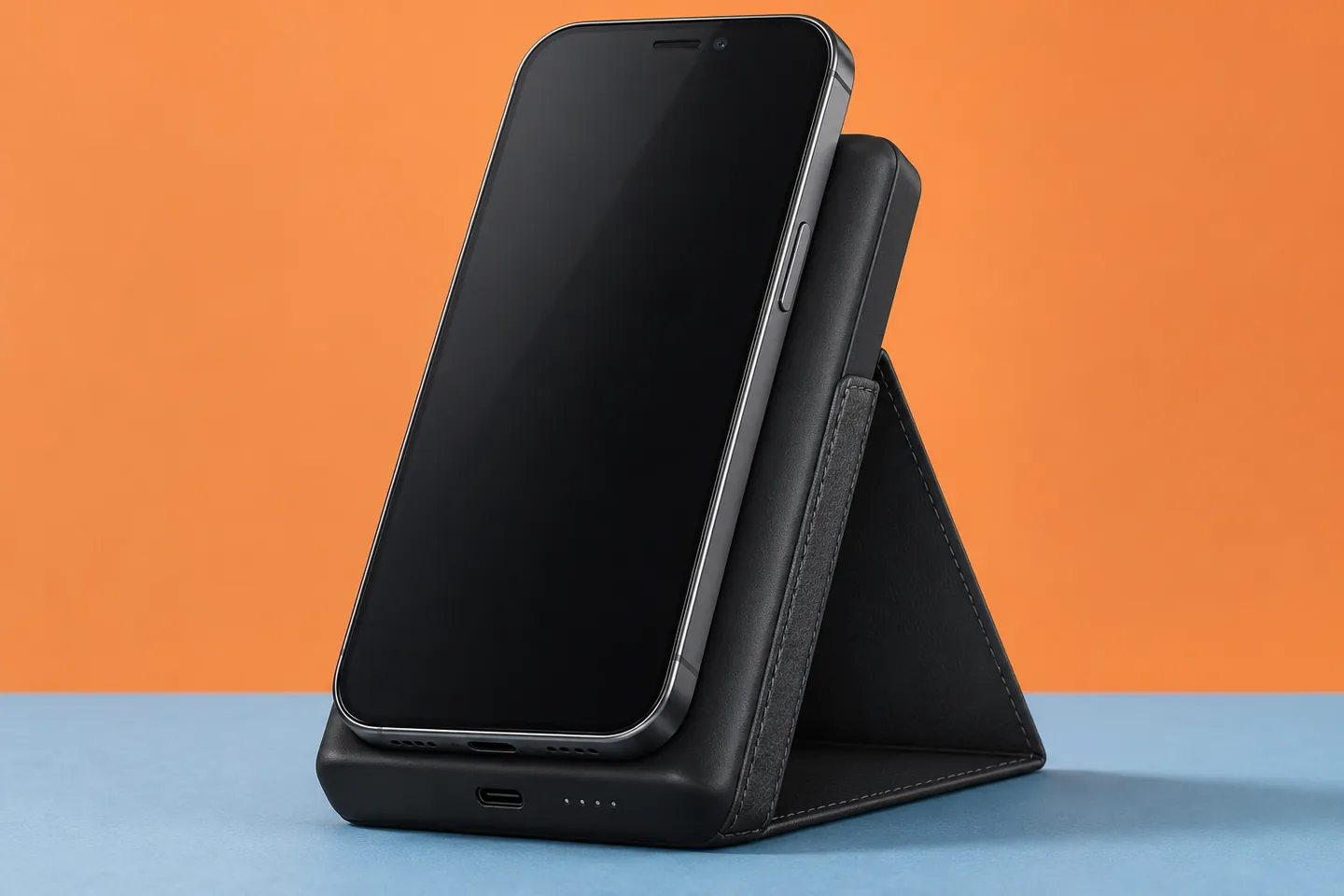
| Desk-focused customer gift | Stand-equipped option | Supported posture and charging arrangement |
| Longer device-use requirement | Appropriate energy and output | Device demand and documented output conditions |
| Several event locations | Consistent kit with separate allocations | Model revision, carton identification and receiving plan |
ZONNGOO’s 5MC2 listing provides one semi-solid-state example with 5,000mAh cell capacity and up to 20W USB-C output. Those figures are not a promised charging time or full-phone recharge count. Confirm the supplied revision and conditions. Compare it with your actual recipient task rather than treating the example as a universal event recommendation.
5. Work Backward From The Receiving Deadline
You should plan backward from the venue’s receiving deadline, not simply the event opening time. Confirm when goods can arrive, who can accept them and how they reach your team. An exhibition address alone may not identify the correct receiving arrangement. Ask your organizer or receiving contact for the relevant instructions.
Then identify the decisions that must precede dispatch. These can include model selection, specification confirmation, artwork approval, sample review and packaging release. Ask the supplier for a proposed schedule covering the actual configuration. Do not invent standard lead times or assume that customization can be added without affecting the plan.
Give one person responsibility for approving changes. If the event date is fixed, communicate it in the first inquiry. Distinguish a requested arrival date from a confirmed delivery commitment. Ask what remains unresolved and when a decision is needed. If a proposed schedule does not fit, review the scope before making public promises about the giveaway. Document revised dates and responsibilities in one shared order record.
6. Budget For The Complete Delivered Handout
You should compare quotations for the complete agreed kit and delivery scope. A low unit figure may describe a different configuration. Identify product, branding, accessories, individual packaging and any separately quoted services. Ask which receiving and delivery responsibilities are included. Do not compare incomplete quotes as though they describe the same offer.
Use a common specification sheet when requesting alternatives. If one option omits the cable or changes the packaging, show that difference clearly. Keep any proposed sample, artwork or setup charges visible. Request actual quotations instead of assuming fixed fees or a guaranteed cost per impression.
Also consider the event work your own team must perform. Separate receiving, storage, moving cartons and handing out kits from supplier pricing. Assign those tasks rather than assuming the venue handles them. If you revise quantity or destinations, request an updated scope. Do not promise campaign return, lead quality or brand recall from the purchase price alone. Those outcomes require their own evidence and measurement.
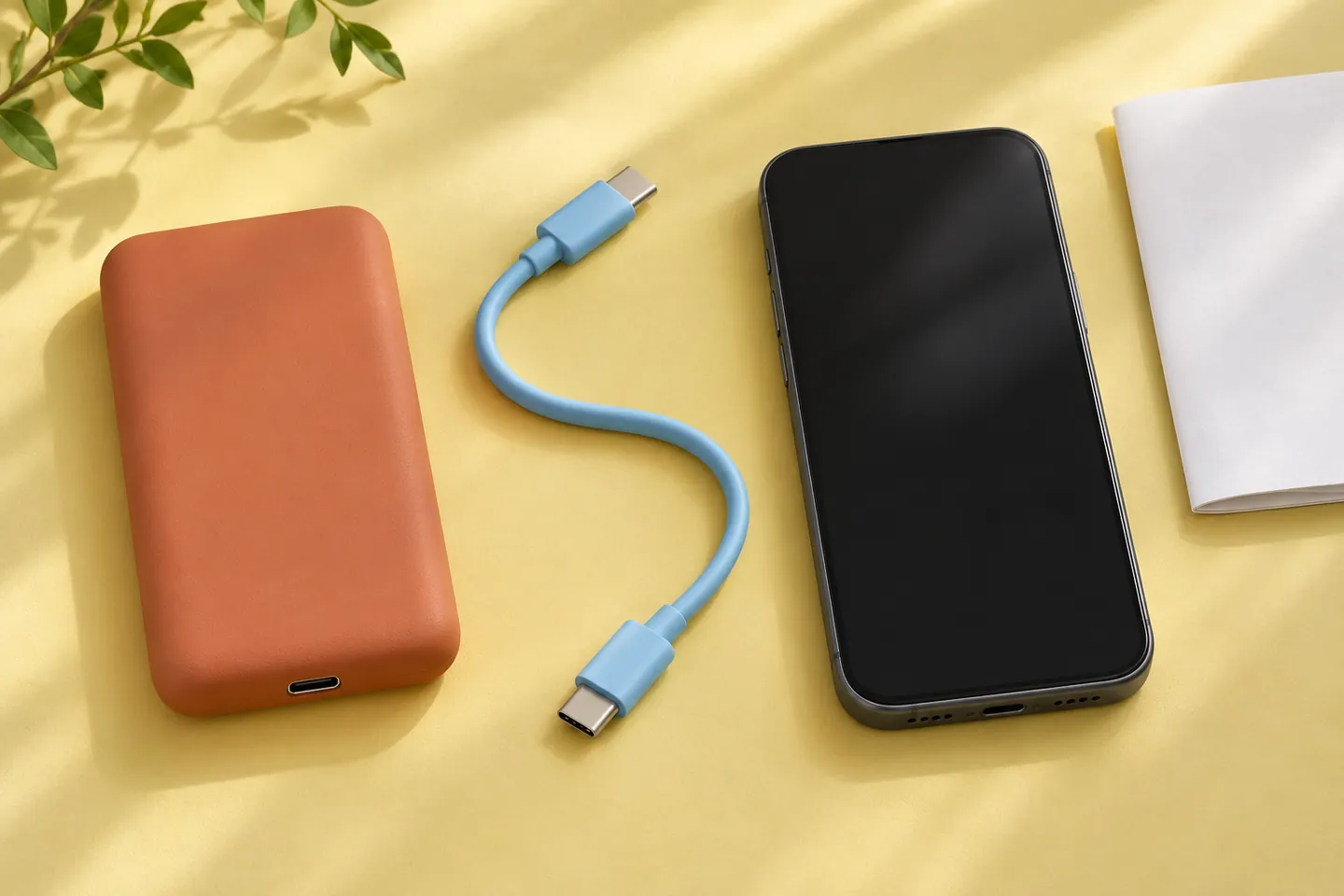
AI-generated accessory-planning concept; not an actual ZONNGOO kit, compatibility test or event demonstration.
7. Approve Artwork And Claims Together
You should approve the logo layout and product claims as one controlled artwork revision. State the desired mark, placement, dimensions and color reference. Ask which methods are available for the selected surface and configuration. Our logo customization page and artwork guide provide starting points. Do not assume every printing or engraving process is offered for every model.
Keep decorative campaign artwork separate from technical marks. The Wireless Power Consortium’s guidance explains checking a certificate against the matching database product. A magnetic shape or wireless output figure is not that evidence. This article asserts no Qi, Qi2 or MagSafe certification for the example model.
Likewise, USB-IF’s logo-license guidance describes conditions for certified USB logos. Do not add those marks because a product has a USB-C connector. Ask for the applicable evidence and authorization before approving relevant artwork. Review packaging, leaflet and campaign page together, so an unsupported claim does not survive outside the product label.
8. Review The Sample As A Recipient Would
You should review the proposed handout as a complete recipient experience before approving the event order. Match the product identity, accessories and packaging to the specification. Check that the instructions explain the intended charging connection. Review ordinary use according to the manufacturer’s guidance, not improvised stress or safety tests.
For an agreed device setup, record the phone, case, cable and relevant charging conditions. A successful demonstration with one phone does not establish every attendee’s compatibility. Review markings and unpacking as well as appearance. Our sample confirmation page outlines the wider project discussion. These are proposed review steps, not a report of testing already performed.
Keep the approved sample configuration and artwork revision together. Note unresolved items explicitly rather than treating silence as approval. If the bulk proposal changes its cable, housing, print or packaging, identify what needs renewed review. Do not approve an unspecified substitute because its color appears similar. Your receiving team should know which configuration and records they are comparing against.
9. Coordinate Transport And Venue Receiving
You should coordinate battery transport and venue receiving with the responsible supplier, carrier and event contacts. Confirm the shipment’s actual product identity and documentation needs for its route. Do not treat ordinary merchandise arrangements as automatic approval for batteries. This guide does not establish shipping classifications, packing instructions or passenger-baggage permission.
Ask who will arrange transport and provide the required shipment information. Share the destination and receiving instructions before dispatch is planned. If attendees will travel with the gift, avoid promising universal airline acceptance. Direct them to their carrier’s current requirements for their journey. A gift label or capacity headline is not a travel authorization.
At the venue, identify the person accepting cartons and the place for approved storage. Confirm how separate allocations reach your team. Use the manufacturer’s handling guidance and the organizer’s applicable requirements. If goods arrive damaged or differ from the agreed configuration, separate the affected units and contact the responsible parties. Do not distribute questionable items simply to meet a promotional deadline.
10. Prepare Staff Handover And Recipient Support
You should give distribution staff a concise explanation of the exact kit and where recipients can obtain support. Staff should describe documented connections and limitations instead of improvising performance promises. Keep demonstration devices separate from packaged handouts. Identify who can answer questions that the event team cannot resolve.
Prepare the relevant instructions in the languages agreed for the project. Ask how required product information remains accessible after the outer event sleeve is removed. Our packaging design page can frame that discussion. Do not cover essential markings with a campaign sticker or replace operating guidance with advertising alone.
Record quantities received, issued and remaining against the distribution plan. These records track stock, not proof of marketing success. Define the response route for incomplete kits or compatibility questions. After the event, review unresolved issues before repeating the order. Preserve model and artwork references so a future campaign does not silently become a different product configuration.
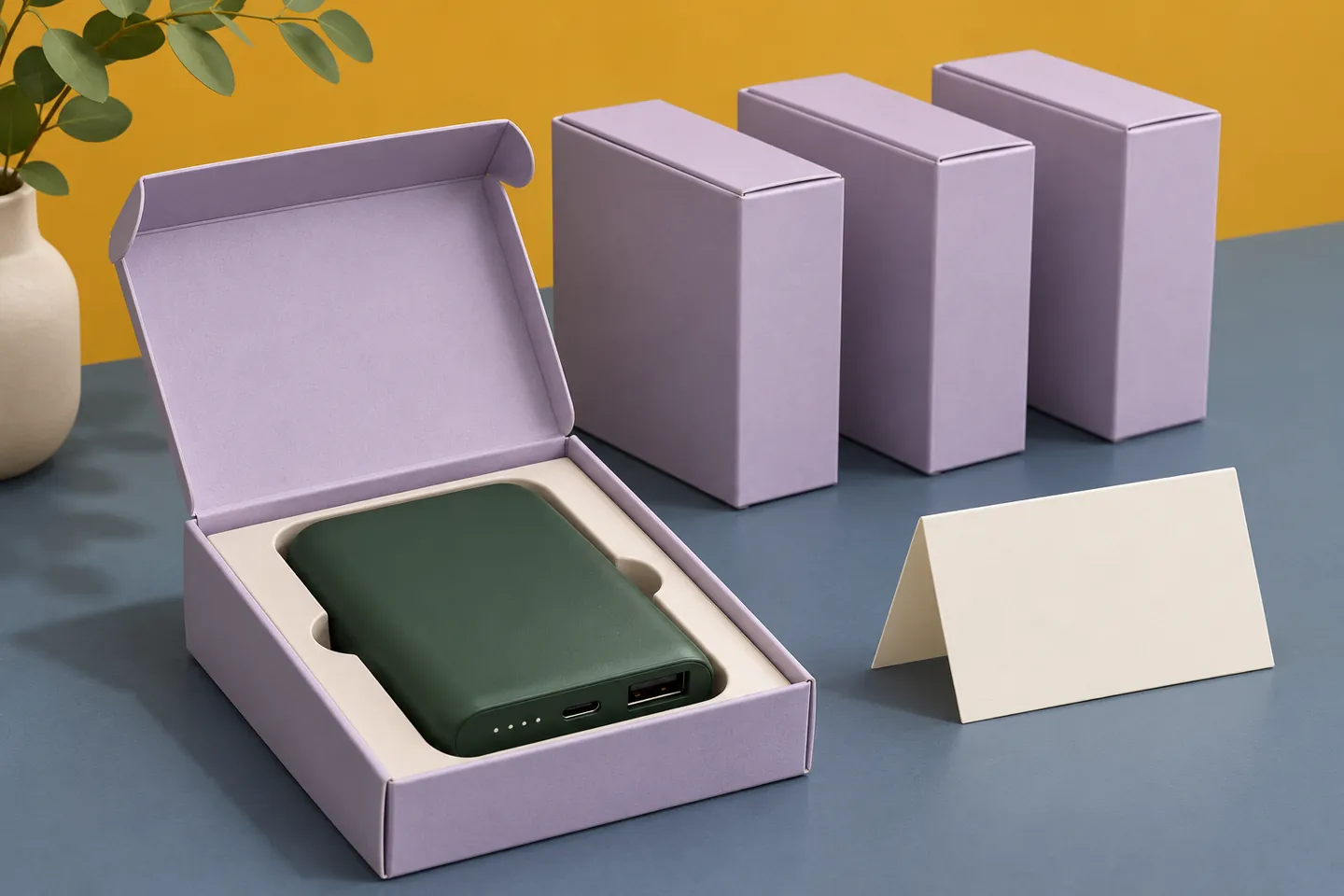
AI-generated handover concept; not a real ZONNGOO order, venue delivery or packing inspection.
11. Send One Event-Specific Inquiry
You should send audience, device task, quantity, target market and receiving deadline together in your inquiry. Add preferred dimensions, connection, branding and kit contents. Identify the destination and receiving contact’s instructions. Separate essential requirements from optional design preferences. Request confirmation of what remains available and unresolved.
ZONNGOO’s product range and OEM/ODM page support a discussion about the offered configuration. They do not establish immediate stock, any minimum quantity, a production slot or a guaranteed arrival date. Ask for the exact specification, sample proposal and quotation scope. Do not approve event advertising before the relevant product claims are supported.
Then contact ZONNGOO with one brief and a named approval owner. Ask for the next decision needed to progress the project. Keep schedule, specification and artwork changes in the same record. That makes the order reviewable and the handover clearer, without inventing campaign results or making promises your evidence cannot support.
FAQ
Are Power Banks Suitable For Every Event Audience?
Not automatically. Define recipient devices, connections, carrying needs and support arrangements. An unknown audience requires qualified compatibility wording rather than universal claims.
Should Every Kit Include A Cable?
Specify the intended connection and ask what is supplied. A refill cable may not match the recipient’s device. Approve the actual accessory configuration.
How Many Giveaway Units Should I Order?
Count eligible recipients and separately planned staff, replacement or location allocations. Confirm the actual supplier order structure. Attendance alone does not determine the right quantity.
Can I Add Charging Certification Logos To Event Artwork?
Only use relevant marks with the applicable evidence and authorization. A USB-C port or magnetic surface alone does not establish certification or logo rights.
Can You Guarantee Delivery Before My Event?
This article makes no delivery guarantee. Provide the receiving deadline and destination early. Request a schedule and explicit confirmation for the actual agreed order.
What Should I Keep For A Repeat Campaign?
Keep product revision, accessory list, approved artwork, packaging and receiving records. Review changes before reordering. Do not assume a similar-looking replacement is the same configuration.
Conclusion
Plan event power-bank giveaways as a complete product and distribution project. Define recipients, connections, quantities, artwork and receiving responsibilities. Review the actual proposed kit and supporting claims. Agree the schedule before promising availability, then preserve the approved configuration for staff handover and future campaigns.